 RotorLab
File the flight and the records keep themselves — component life counts down, packs warn before they fail, recurrency clocks run, and the filing deadline computes itself. Nothing here ever grounds you. It just makes sure you can prove everything you did.
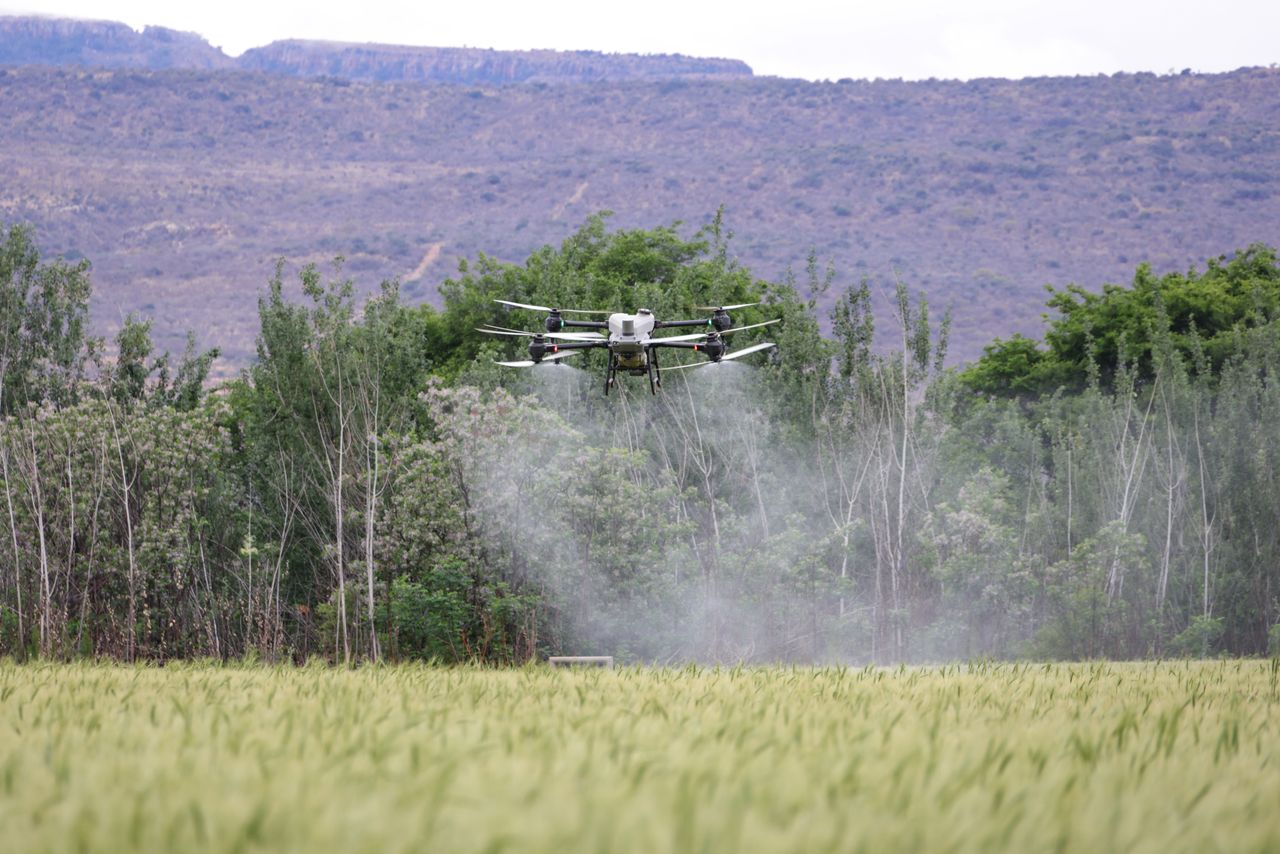
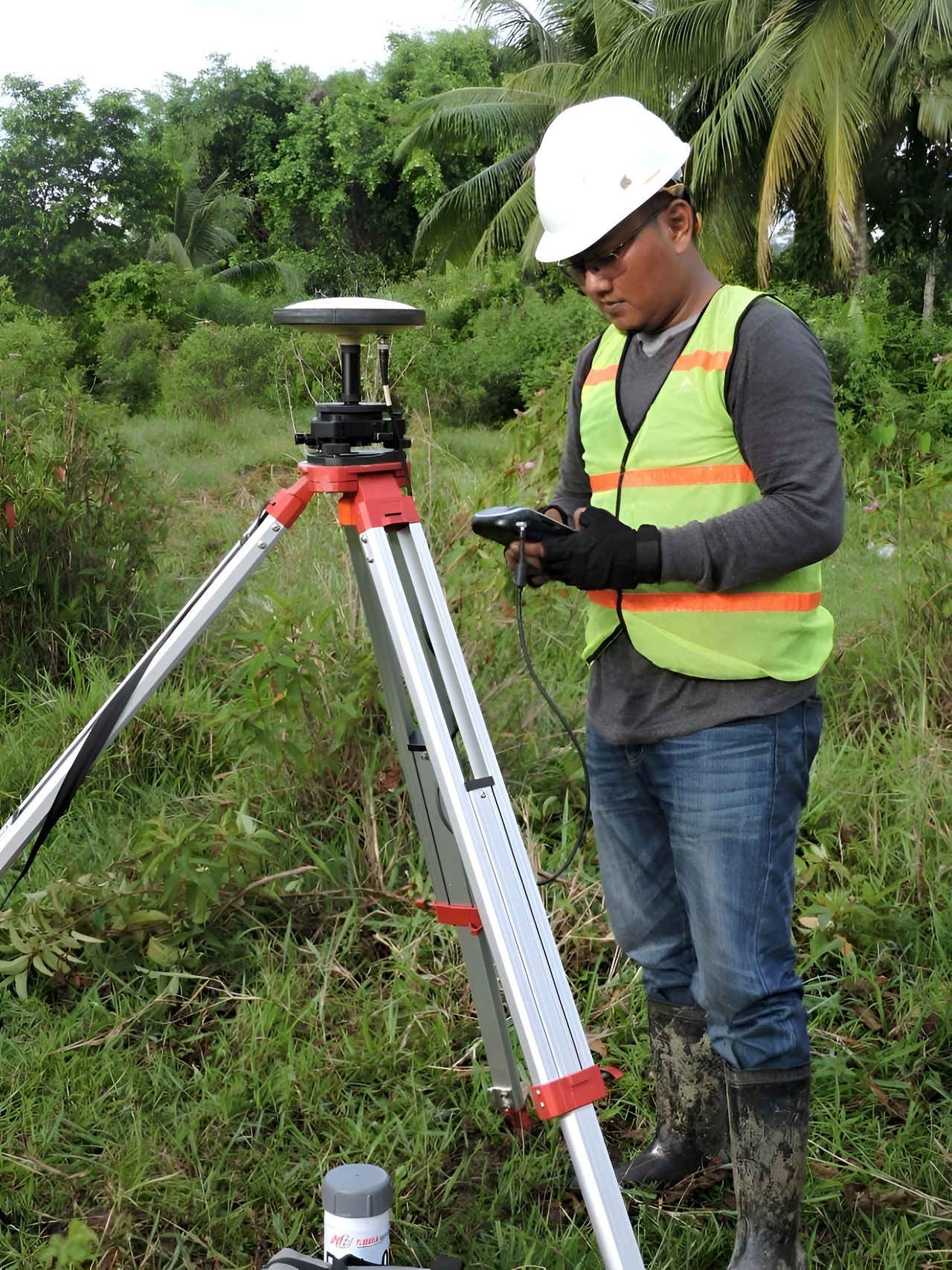
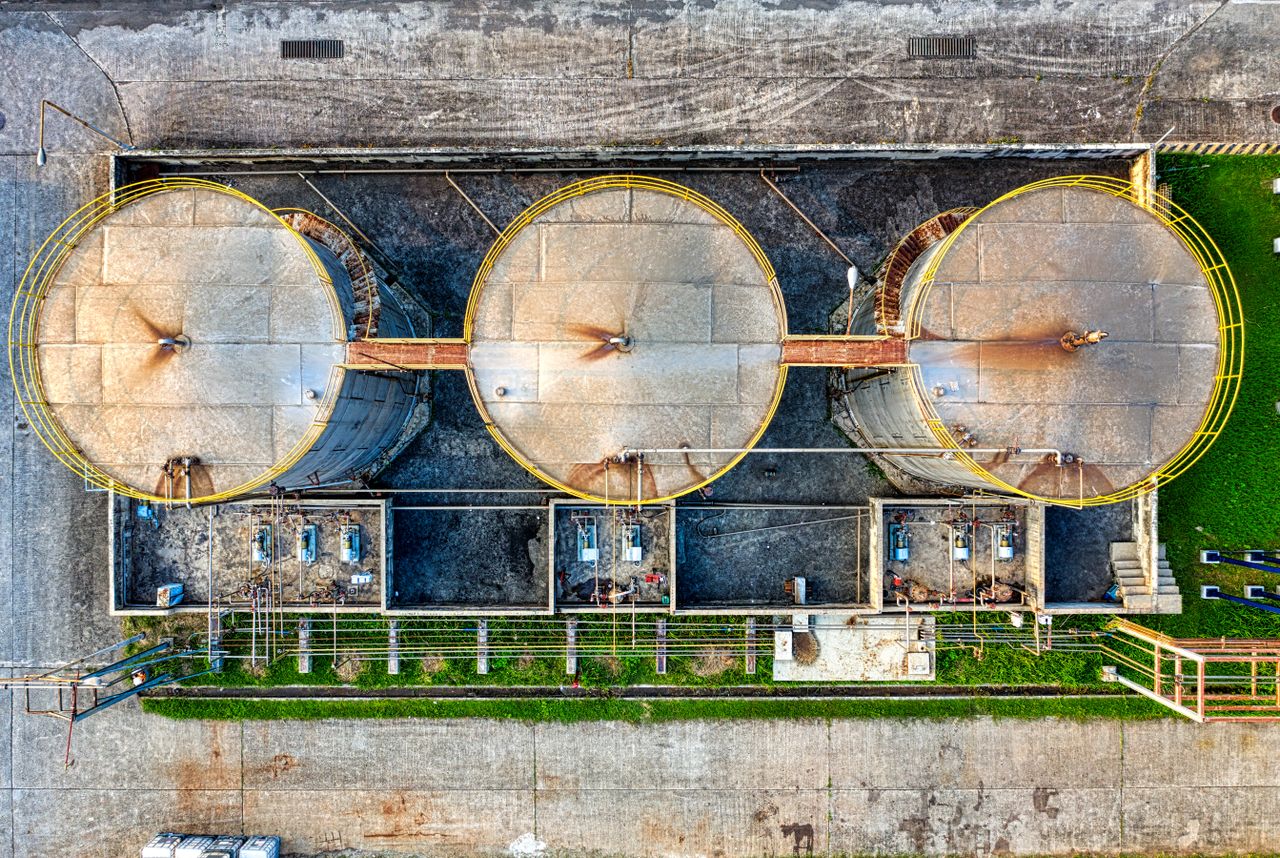
Spray and scout, map a site, shoot a listing, inspect a tower or a roof. Different work, the same paperwork that keeps itself.

Drop the log from ArduPilot, PX4, DJI, Parrot, Litchi, an Airdata export, a GUTMA file or a plain CSV. Aircraft built on ArduPilot or PX4 — Freefly, Inspired Flight, Wingtra — come in through their autopilot’s own log. The flight record it becomes is what feeds every clock below.
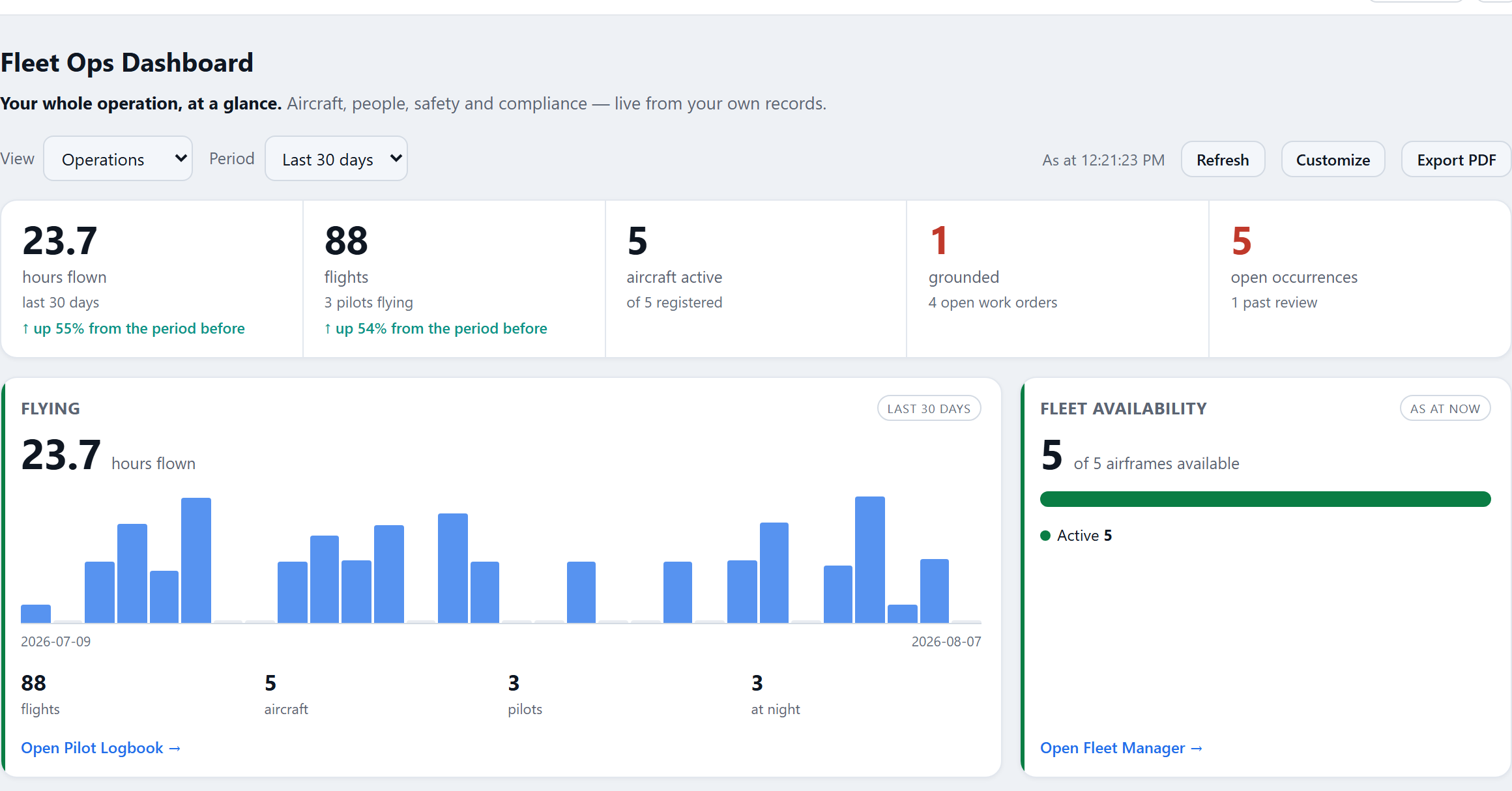
The Fleet Ops dashboard: today’s actions first, the trends underneath.
The fleet dashboard leads with what needs attention today — grounded aircraft, packs nearing their horizon, filings on the clock, crews out of currency — above the charts, not buried under them. You triage in a glance, then get on with the day.
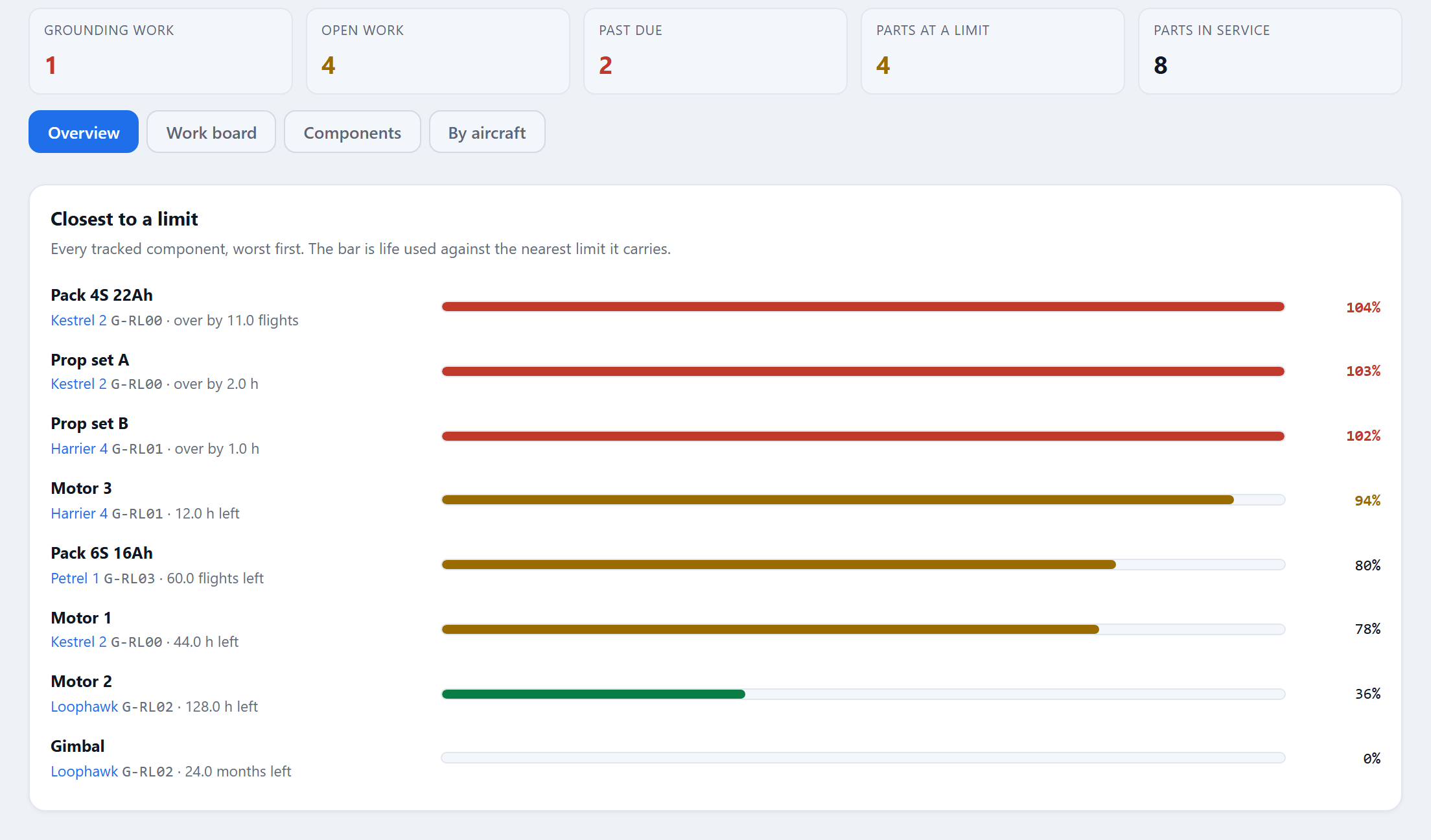
Component life and intervals, counting down from real flight hours.
Components carry the manufacturer’s intervals, and every filed flight moves the counters. Work orders open where you set them, life-limited parts announce themselves before the season does, and a closed repair gets a measured verdict from the flights either side of it.
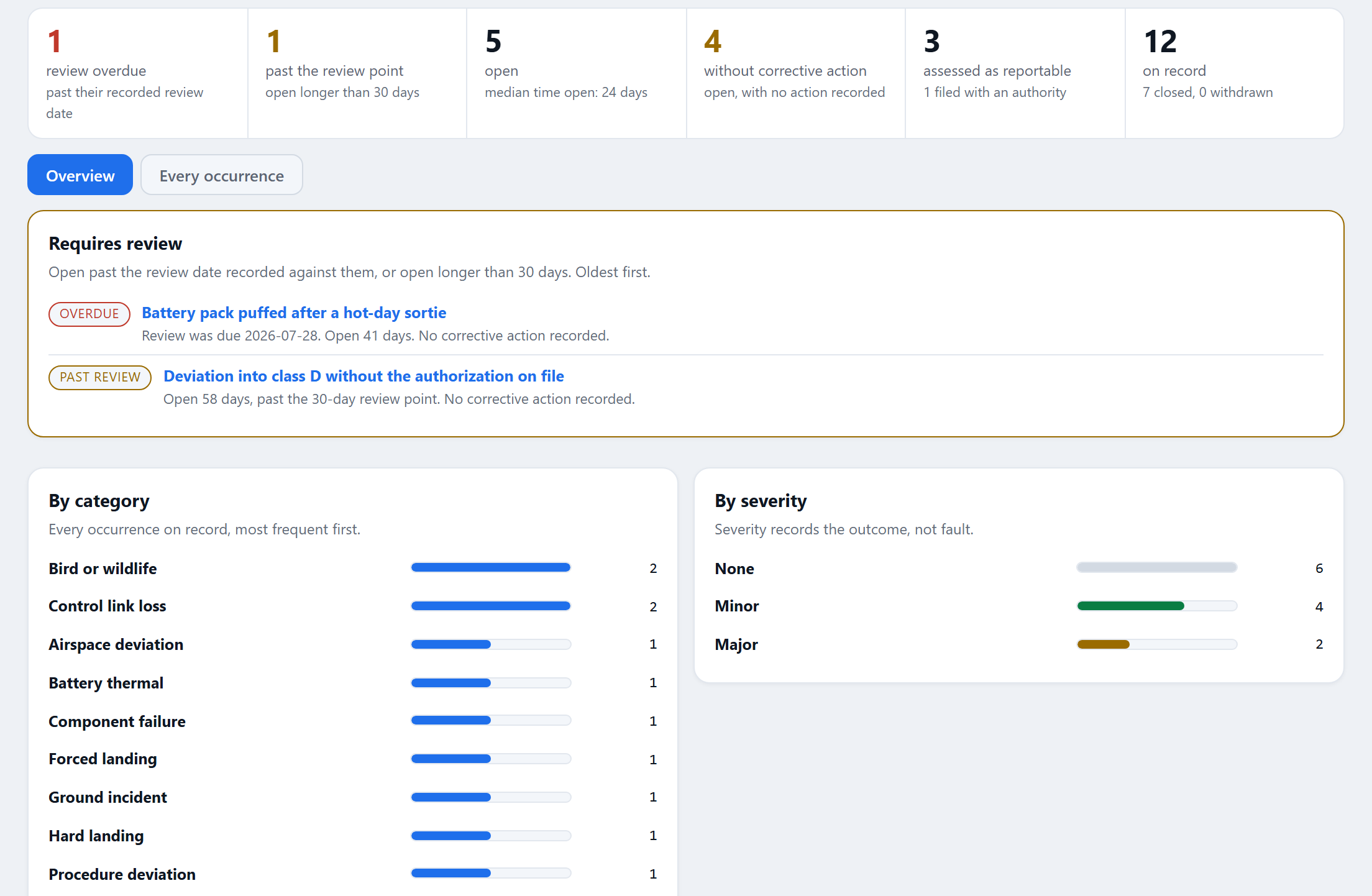
Occurrence reports with the reporting clock computed for you.
Determine an occurrence’s category and the reporting deadline computes from the day it happened. Overdue filings rise to the top of the board with the days ticking — a deadline is something you see coming, not something you miss.
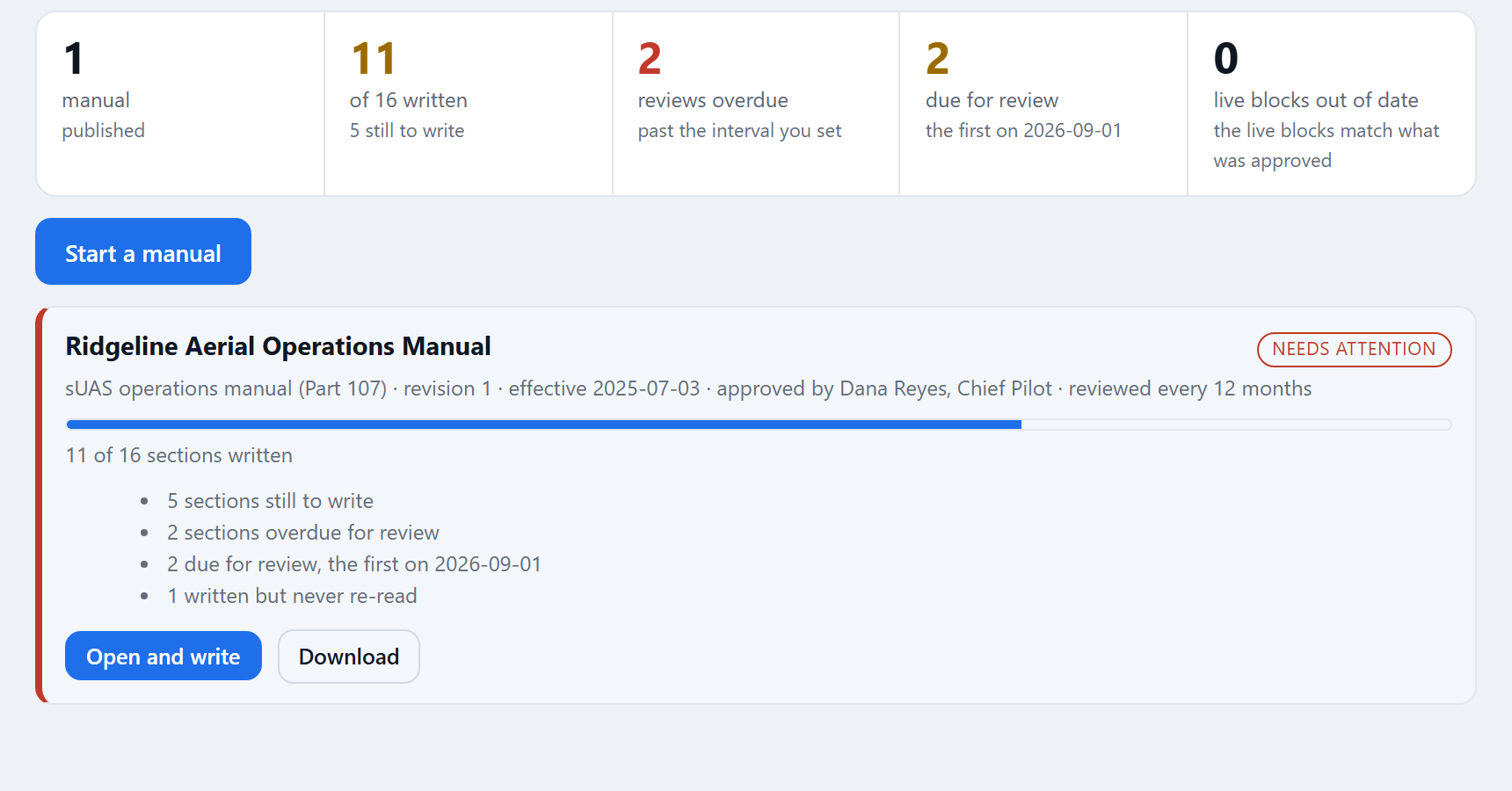
The operations manual and audit binder, assembled from live records.
When an insurer, a client, or an auditor asks to see the program, one download assembles it — operations manual, dossiers, declarations, and the registers as they stand, every document hashed and verifiable. The binder is a button, not a week.
Cycles derive from the flights a pack actually flew, and measured internal resistance trends toward a horizon you can see coming. Packs retire before the fire, not after.
Training roles hold the requirements, sign-offs run the recurrency clocks, and the dispatch board shows readiness beside every sortie. Shown, never enforced — the call stays yours.
Start from the twelve-hazard library, score risk before and after mitigation, and put a name on every acceptance. Mitigations link to living records, so coverage is real, not a checkbox.
RotorLab is advisory by design. It computes, warns, and documents; it never decides whether you fly. Readiness numbers gate nothing, and every score names the signals behind it — that distinction is the whole point.
File one flight today and watch the first clock start. The binder builds itself from there.
Flight physics, fleet operations and what shipped — written for people who fly. No spam, unsubscribe in one click.